

 Events
Top 5 Eco tourism in Vietnam hottest for 2027
From the mist-shrouded peaks of the Northern Highlands and dense tropical rain forests to expansive mangrove swamps and coral-rich marine reserves, Vietnam is a land of staggering natural diversity. As global travelers increasingly seek authentic, low-impact journeys that honor the environment and uplift local communities, eco tourism in vietnam has rapidly emerged as one of the most exciting and rewarding ways to experience Southeast Asia.
Let’s dive into what makes Vietnam an eco-tourist’s paradise and how you can plan your ultimate green adventure!
Why Eco Tourism in Vietnam is Thriving
Vietnam’s unique geography—stretching over 1,600 kilometers from north to south with a dramatic range of altitudes, microclimates, and coastlines—makes it one of the world’s most biodiverse countries. Recognizing the vital importance of protecting these natural treasures, both local communities and national authorities have embraced eco-friendly tourism frameworks.
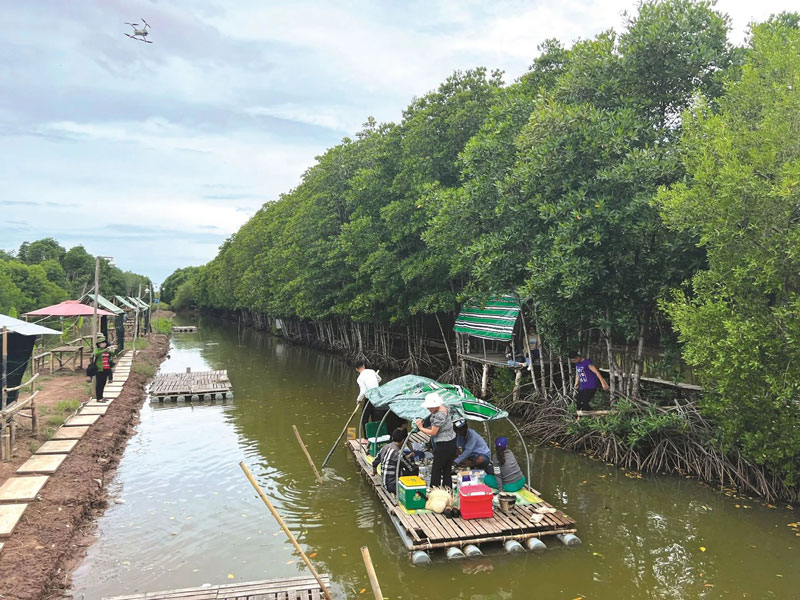
Choosing eco tourism in vietnam offers several distinct advantages for conscious travelers:
- Incredible Biodiversity: Vietnam is home to over 30 national parks and dozens of nature reserves shelter rare, endemic species such as the Delacour’s langur, Saola, and green sea turtles.
- Authentic Cultural Immersion: Responsible eco-tours partner directly with ethnic minority communities (such as the H’mong, Dao, and Tay peoples), providing vital, sustainable income while honoring traditional ways of life.
- Diverse Landscapes: From mountain trekking in Sapa and subterranean cave exploring in Phong Nha to bird-watching in cajuput forests in the Mekong Delta, the variety of eco-adventures is virtually endless.
- Growing Sustainable Infrastructure: A growing network of certified eco-lodges, community-based homestays, and green tour operators makes traveling sustainably smoother and more comfortable than ever.
Together, these factors make Vietnam an irresistible destination for travelers seeking meaningful adventures in harmony with nature.
See more: Tourist Attractions in Ha Long Bay Vietnam: Your Ultimate Guide
Top Eco-Tourism Destinations in Vietnam
From subterranean wonders to pristine wetland reserves, Vietnam is home to an extraordinary array of eco-tourism destinations that showcase the country’s untamed natural beauty.
1. Phong Nha-Ke Bang National Park (Quang Binh)
Recognized as a UNESCO World Heritage Site, Phong Nha-Ke Bang National Park is widely regarded as the eco-adventure capital of Vietnam. Home to the world’s largest caves (including Son Doong and Hang En), as well as vast underground rivers and ancient karst mountain forests, this region offers world-class trekking, caving, and kayaking. Strict conservation limits on visitor numbers ensure that fragile subterranean ecosystems remain untouched.
2. Cuc Phuong National Park & Van Long Wetland (Ninh Binh)
Located just a short journey south of Hanoi, Cuc Phuong is Vietnam’s oldest national park. It features dense jungle trails, thousand-year-old trees, and essential wildlife sanctuaries, including the Endangered Primate Rescue Center. Nearby lies the Van Long Nature Reserve, a tranquil wetland where quietly rowed bamboo boats glide past limestone cliffs to spot wild langurs in their natural habitat without motor pollution.
3. Cat Tien National Park (Dong Nai / Lam Dong)
For travelers exploring Southern Vietnam, Cat Tien National Park is an indispensable rainforest refuge. Covering vast tracts of lowland tropical forest, it shelters wild Asian elephants, gibbons, and hundreds of exotic bird species. Night safaris, guided jungle treks, and stays at solar-powered eco-lodges along the Dong Nai River provide deep immersion into Vietnam’s wild heart.
4. Tra Su Cajuput Forest & Dong Thap Wetlands (Mekong Delta)
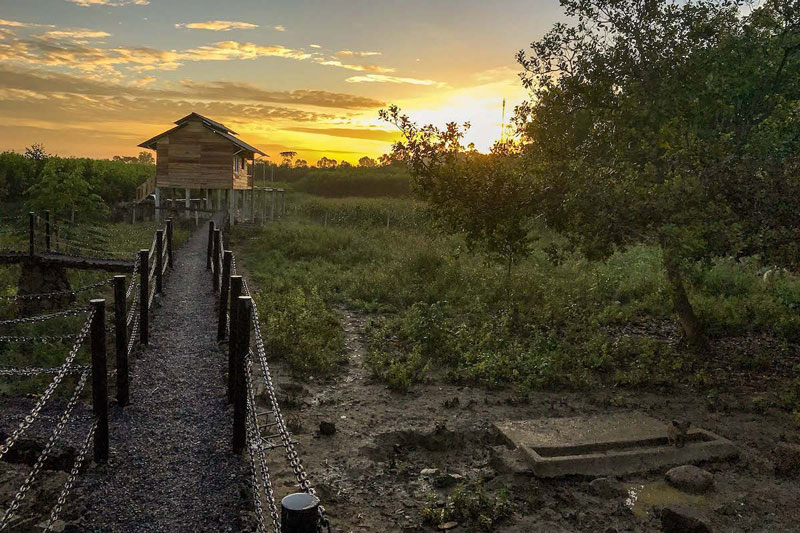
In the watery southwest, eco-tourism centers around unique flooded ecosystems. The Tra Su Cajuput Forest in An Giang is a stunning sanctuary where electric or hand-rowed boats transport visitors along emerald channels completely covered in duckweed beneath a canopy of cajuput trees. It is a haven for waterbirds, storks, and wetland marine life.
5. Ba Be National Park (Bac Kan)
Tucked away in the northeastern mountains, Ba Be National Park centers around the vast, pristine freshwater Ba Be Lake, surrounded by towering karst peaks and dense evergreen forests. Travelers stay in traditional stilt-house homestays operated by local Tay families, exploring the serene waters by kayak or wooden boat and hiking to hidden waterfalls and caves.
6. Cat Ba Island & Biosphere Reserve (Hai Phong / Ha Long Region)
While neighboring Ha Long Bay welcomes major cruises, Cat Ba Island offers a greener, terrestrial sanctuary. Over half of the island is designated as a national park and UNESCO Biosphere Reserve. Visitors can hike through coastal forests, spot the endangered Cat Ba langur, and kayak through quiet, plastic-conscious lagoons in Lan Ha Bay.
Seasonal Guide: Planning Your Eco-Trip
Vietnam’s climate varies significantly across its northern, central, and southern regions. Planning around seasonal rhythms ensures optimal conditions for outdoor activities and wildlife viewing.
|
Region |
Peak Eco-Tourism Season |
Weather Overview |
Recommended Eco-Activities |
| Northern Mountains & Parks | October to April | Cool, dry, clear skies (crisp winter temperatures). | Jungle trekking in Cuc Phuong, bird-watching, home-stays in Ba Be & Sapa. |
| Central Caves & Coast | February to August | Warm, dry, low rainfall in spring/early summer. | Expedition caving in Phong Nha, trekking Bach Ma, marine conservation in Con Dao. |
| Southern Forests & Wetlands | September to November (Floating Season) | Rising water levels, lush greenery, thriving wildlife. | Boat tours in Tra Su forest, wildlife spotting in Cat Tien, wetland kayaking. |
Traveler Tip: The annual “Floating Water Season” (September–November) in the Mekong Delta is arguably the most vibrant time for wetland eco-tourism, as fish migrate and thousands of migratory birds gather.
Practical Tips for Responsible Travel in Vietnam
Making a positive impact is easy when you travel with mindfulness—here are essential tips to help you explore Vietnam sustainably.
- Say No to Single-Use Plastics: Carry a refillable water bottle with a built-in filter, reusable shopping bags, and metal or bamboo straws. Many eco-lodges offer free water refill stations.
- Respect Wildlife & Marine Life: Never buy souvenirs made from wild animals, ivory, or coral reef fragments. When diving or snorkeling, refrain from touching coral structures or feeding marine species.
- Choose Community-Based Homestays: Staying at family-run homestays in rural villages ensures that your travel spending directly supports local family livelihoods and preserves cultural heritage.
- Leave No Trace on Trails: When trekking in national parks, stick strictly to marked trails to prevent erosion and pack out all trash, including biodegradable food scraps.
By following these simple practices, you help ensure that Vietnam’s vibrant cultures and breathtaking landscapes remain protected for future generations to discover.
Experience Sustainable Vietnam with VietLink Tour
Designing a truly eco-friendly itinerary requires deep local knowledge, authentic community partnerships, and careful logistical planning. At VietLink Tour, we are committed to promoting sustainable travel practices that preserve Vietnam’s natural heritage for generations to come.
Why Choose VietLink Tour for Your Green Journey?
- Direct Community Impact: We collaborate with verified eco-lodges and local indigenous guides, ensuring that your journey directly benefits rural communities.
- Carbon-Conscious Routes: From soft-trekking and cycling tours to electric boat excursions, our itineraries prioritize low-impact transportation wherever possible.
- Tailored Small-Group & Private Expeditions: We keep tour group sizes small to minimize environmental impact on sensitive natural habitats and provide intimate, authentic experiences.
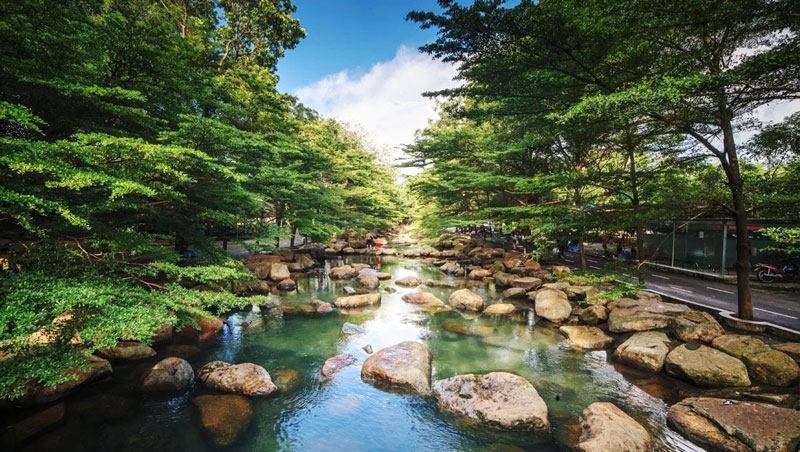
Eco tourism in Vietnam offers an unparalleled opportunity to connect deeply with pristine rainforests, ancient caverns, and vibrant local cultures. By choosing responsible travel practices and expert guidance, you ensure that every step of your journey leaves a inspiring, positive impact on this extraordinary land.
See more: Da Lat Tourist Attractions: Your Ultimate Guide to Vietnam’s City
We are always ready to help you explore Vietnam responsibly!
CONTACT INFORMATION:
- Address: No. 152 Khuat Duy Tien, Thanh Xuan, Hanoi, Vietnam
- Hotline: 0983.686.183
- Email: info@vietlinktour.com
- Website: https://vietlinktour.com/
- Natto EnZym Product Launches- Journey to Improve Health – Prevent Stroke Read More
- Hanoi Day Trips: 9 Ideas To Make The Most Of A Day From Hanoi Read More
- TOP BEST Halong Bay Travel Agency Read More
- Tourist Places in Hue: Your Ultimate Guide to Vietnam’s Imperial Heart Read More
- Meetings management in Vietnam Read More